

Photo Credit: Getty Images
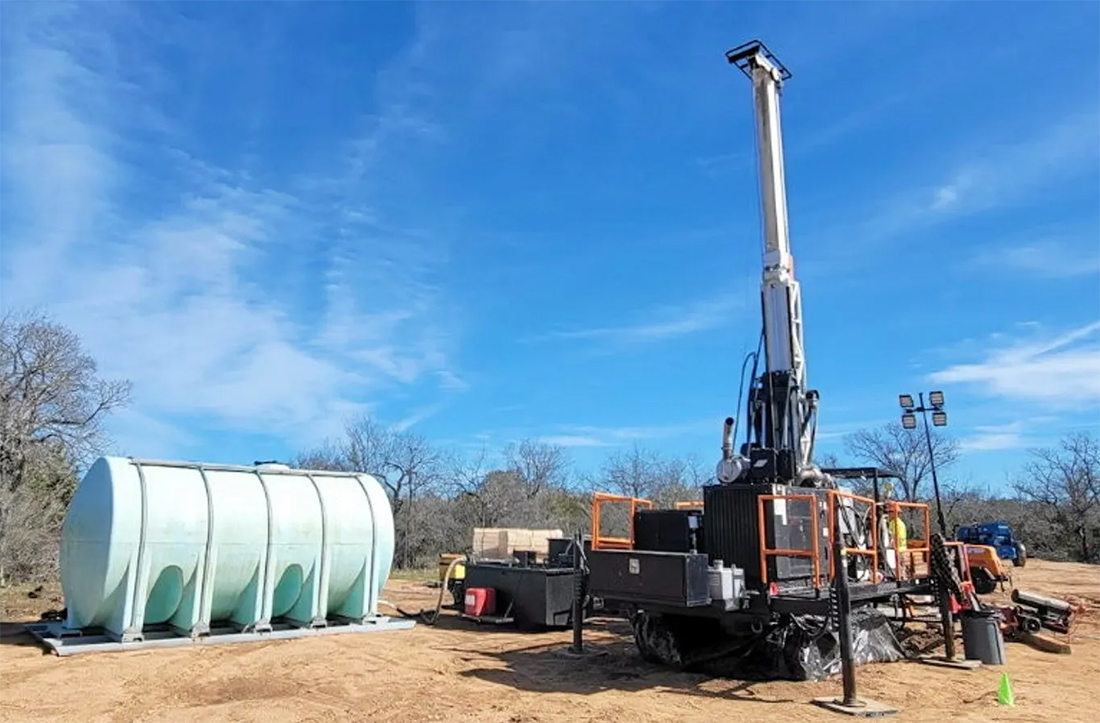
In the sun-scorched Utah desert, what looks like an oil drilling rig is in fact the vanguard of clean energy's next frontier. Fervo Energy, a Houston-based startup, is spearheading a cutting-edge geothermal project that could revolutionize the global power grid. Using the same high-tech drilling techniques once reserved for fossil fuel extraction, Fervo is diving miles into the Earth—not for oil, but for sustainable heat.
Geothermal energy has been around for millennia. Ancient civilizations used it for cooking and bathing; today it heats homes and powers turbines. But traditional geothermal has a critical limitation—it needs naturally porous rock formations and underground water reservoirs, which are geographically rare. Fervo's approach, called "enhanced geothermal," sidesteps that obstacle entirely by engineering the necessary conditions.
The method involves drilling two wells thousands of feet into the Earth, then using high-pressure water to fracture the rock, a process similar to oil and gas fracking. Water circulates through these artificial cracks, absorbs heat, and resurfaces to generate electricity. In April 2024, a major milestone was reached when researchers at Utah FORGE, a $300 million Department of Energy project adjacent to Fervo's site, successfully circulated hot water through 1.5 miles of fractured rock.
Fervo is already leveraging this progress. Its commercial pilot in Nevada is operational, and its Utah plant—touted as the world's largest next-generation geothermal facility—is expected to deliver 100 megawatts of energy by 2026, scaling up to 500 megawatts by 2028. That's enough to power over 375,000 homes. Deals with major players like Google and Cal Edison signal growing confidence in this promising technology.
Despite the excitement, challenges remain. Drilling costs are high, and scaling this method demands further innovation. There are also concerns about water use, land impact, and the potential for induced earthquakes, a known risk with deep-earth fracking.
Yet geothermal offers unique advantages. It operates 24/7, unlike solar and wind, and it aligns with both environmental goals and national energy independence—a rare point of bipartisan agreement in U.S. politics. As AI-driven electricity demand surges, a reliable clean-energy base load is more important than ever.
Experts like Cornell's Jefferson Tester believe success is within reach. If Fervo's model proves scalable, enhanced geothermal may become not just a breakthrough, but a backbone for the world's energy future. The heat is down there—and now, finally, the technology is catching up.