

Photo Credit: Getty Images
Leading tennis players are preparing to intensify their campaign for a larger share of Grand Slam revenues at Wimbledon, despite the tournament announcing a record increase in prize money for 2026.
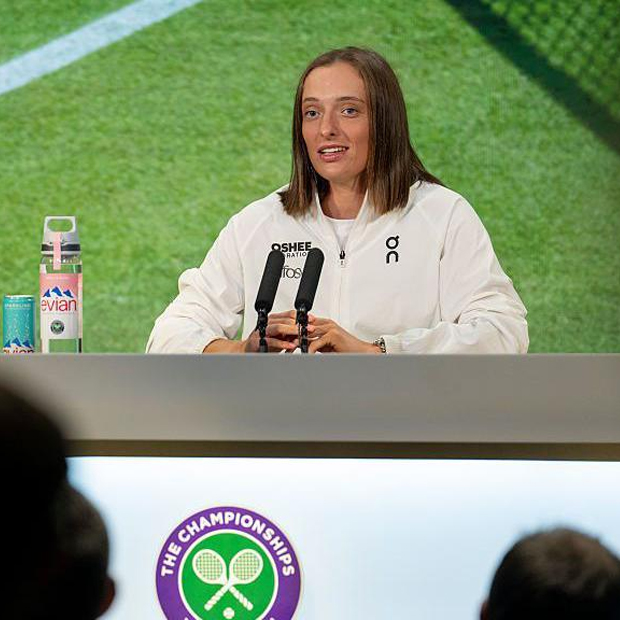
During the French Open, several players limited their pre-tournament media commitments to 15 minutes as part of a coordinated effort to highlight concerns over prize money distribution. At Wimbledon, players plan to take the protest further by restricting both media weekend appearances and post-match interviews to 15 minutes throughout the opening week of the Championships.
The time limit is intended to symbolize the approximate percentage of tournament revenue currently allocated to player prize money at Grand Slam events. Player representatives said the latest action followed extensive discussions with athletes across both the men's and women's tours.
At Roland Garros, several leading stars participated in the initiative. Women's world number one Aryna Sabalenka shortened her pre-tournament press conference, while players including Jannik Sinner and Iga Świątek also reduced their media obligations. However, Novak Djokovic did not join the action despite his long-standing advocacy for player rights.
Earlier this month, players welcomed Wimbledon's decision to raise total prize money by 20%, describing it as a meaningful and positive development. The increase lifts the tournament's overall prize fund to £64.2 million, the largest annual rise in the event's history.
This year's men's and women's singles champions will each receive £3.6 million, while players eliminated in the first round will earn £80,000. Despite the increase, player representatives maintain that the total remains significantly below the amount they believe should be distributed.
The players are requesting that Grand Slam tournaments allocate approximately 16% of revenue to prize money. Wimbledon officials have pushed back against that approach, arguing that revenue alone does not reflect the costs involved in staging and maintaining a major sporting event.
Beyond prize money, players are also seeking contributions to benefit programs and a stronger voice in tournament governance. Representatives claim they have yet to receive meaningful responses on those issues, although Wimbledon organizers dispute that assertion.
Discussions are expected to continue during the Wimbledon fortnight, with further talks involving officials from the French Open and the US Open. As negotiations continue, the media restrictions are likely to affect broadcasters and journalists covering the tournament's biggest stars.






