

Photo Credit: Getty Images
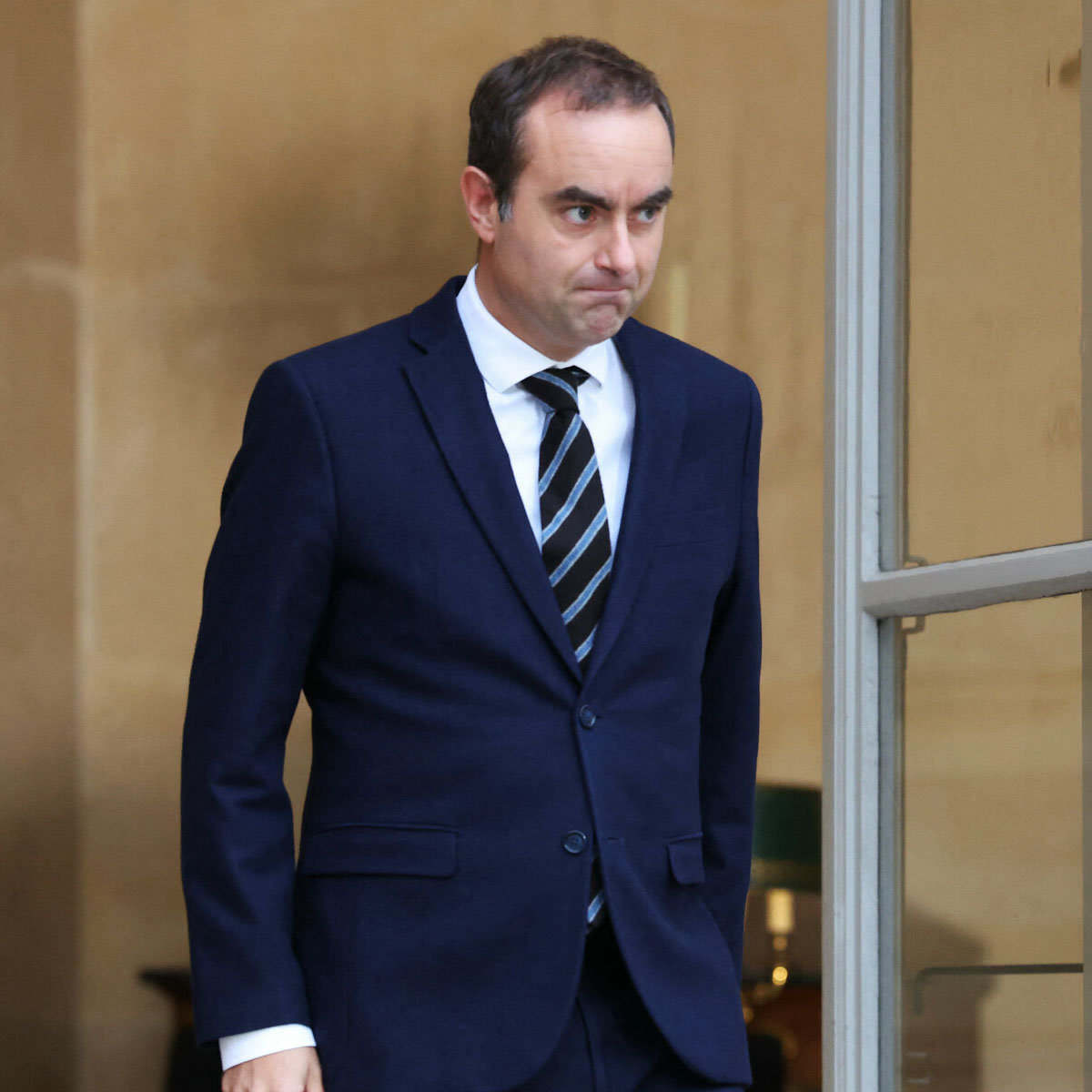
The new French government is already in crisis as Prime Minister Sébastien Lecornu resigned on Monday, less than a day after his cabinet was revealed. The Elysée Palace announced the departure after a meeting with President Emmanuel Macron. The shock move occurred just 26 days after Lecornu took office, succeeding the government of François Bayrou which had previously collapsed. Stocks fell sharply on the Paris exchange after the news of Lecornu's resignation broke on Monday morning.
"The conditions were not fulfilled for me to carry on as prime minister," Lecornu said on Monday morning, and criticised the unwillingness by political parties to reach compromises.
Parties across the board in the National Assembly had fiercely criticised the composition of Lecornu's cabinet, which was largely unchanged from Bayrou's, and threatened to vote it down. Several parties are clamouring for early elections and some are calling for Macron to go - although he has always said he will not stand down before his term ends in 2027.
"The only wise thing to do now is to hold elections," said Marine Le Pen of the hard-right National Rally (RN).
Lecornu, a former armed forces minister, was France's fifth prime minister in under two years. In his brief speech outside the Hôtel de Matignon, the prime minister's residence, which he only occupied for less than a month, Lecornu sharply criticised the "partisan appetites" of political factions, who he said "are all behaving as if they had an absolute majority".
"I was ready for compromise but all parties wanted the other party to adopt their programmes in their entirety," he said.
"It wouldn't need much for this to work," he added, saying, however, that parties needed to be more humble and "to cast some egos aside".
French politics has been highly unstable since July 2024, when Macron called for snap parliamentary elections in a bid to achieve a clear majority following a bruising loss for his party in the European Parliament vote.
Instead the elections resulted in a hung parliament divided into ideologically opposed factions deeply at odds with one another and unwilling to work together. This has made it difficult for any prime minister to garner the necessary support to pass any bills.