

Photo Credit; Getty Images
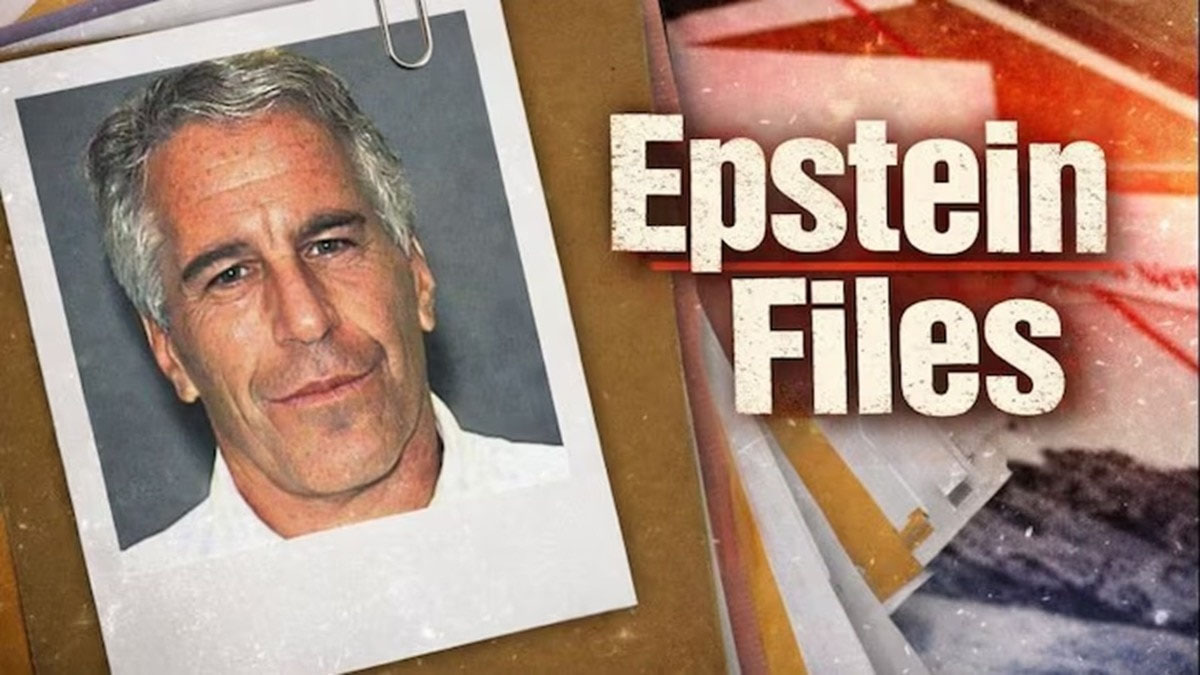
The United States Department of Justice has removed thousands of documents related to the Jeffrey Epstein investigation from its website after victims and their legal representatives warned that serious privacy breaches had occurred. The action followed widespread concern that sensitive personal information had been improperly disclosed in a massive document release mandated by Congress.
On Friday, the DOJ released roughly three million additional documents connected to the Epstein case. The release was part of a legal requirement passed by both chambers of Congress, compelling the department to make public all Epstein related files while
ensuring that identifying details of victims were properly redacted. However, lawyers representing Epstein’s victims quickly raised alarms, stating that flawed redactions had exposed the identities of nearly 100 survivors.
According to victim advocates, the released files included unredacted email addresses, banking information, and even nude photographs where faces and names of potential victims could be identified. Survivors said the disclosures had devastating consequences, with some reporting harassment, threats, and severe emotional distress. In a joint statement, victims described the release as outrageous and said they should not be named, scrutinized, or retraumatized by government errors.
In a letter submitted to a federal judge on Monday, the DOJ confirmed that it had removed all documents flagged by victims or their counsel by Sunday evening. The department said the files were taken down for further redaction and acknowledged that the mistakes were the result of technical or human error. Officials added that they were continuing to review additional requests and had independently identified and removed a substantial number of other documents that may contain sensitive information.
Two lawyers representing victims, Brittany Henderson and Brad Edwards, had earlier urged a federal judge in New York to order the DOJ to take down the entire website hosting the files. They described the release as the single most egregious violation of victim privacy in one day in United States history and called the situation an unfolding emergency requiring immediate judicial intervention.
Several survivors submitted personal statements to the court. One described the disclosures as life threatening, while another said she had received death threats after her private financial details were made public. Speaking to the BBC, Epstein survivor Annie Farmer said it had been difficult to focus on any new information revealed by the documents because of the harm caused by exposing survivors in this way.
Another survivor, Lisa Phillips, said many victims were deeply unhappy with the handling of the release. She accused the DOJ of failing to meet three basic requirements. She said some documents were still missing, the release deadline had long passed, and the names of many survivors had been made public. Phillips said
victims felt the department was not being transparent and that they would continue to fight for accountability.
Prominent attorney Gloria Allred also criticized the release, saying that in some cases names were only partially obscured and still readable, while in others photographs of victims who had never spoken publicly were included. The DOJ responded by stating that it takes victim protection very seriously and emphasized that only a small percentage of pages contained unredacted identifying information.
The Epstein files include millions of pages, images, and videos released over the past year following a law mandating full disclosure. Epstein died in a New York prison cell in August 2019 while awaiting trial on sex trafficking charges. Despite the volume of released material, the controversy has reignited questions about accountability and the government’s responsibility to protect victims while pursuing transparency.