

Photo Credit: Getty Images
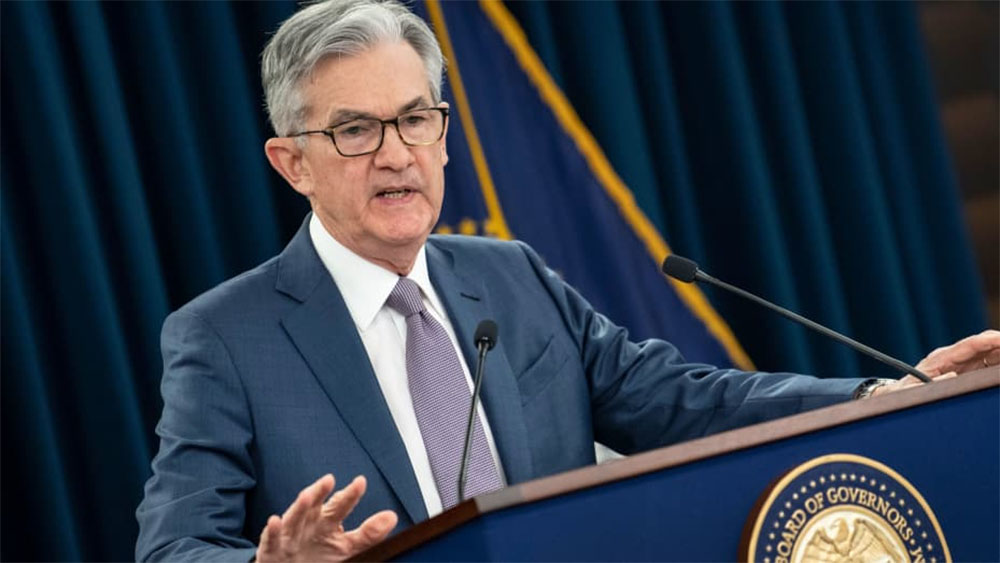
The Federal Reserve voted on Wednesday to maintain current interest rates, with Chair Jerome Powell emphasizing the vital importance of central bank independence. Adopting a "wait-and-see" approach, the Fed opted for stability despite persistent public pressure from President Donald Trump to lower borrowing costs. By holding rates steady, the central bank’s leadership effectively asserted its autonomy from the White House, prioritizing inflation control over political demands for cheaper credit.
Wednesday’s move comes as Powell and the Fed face a criminal investigation launched by Trump’s close ally Jeanine Pirro, the U.S. Attorney for the District of Columbia. Powell has accused the White House of using the probe as a pretext to push the central bank to back Trump’s long sought-after interest rate cuts.
At the same time, the future of the Fed’s independence hangs in the balance at the U.S. Supreme Court. There, justices are weighing whether Trump exceeded his authority when he moved to fire Fed Governor Lisa Cook last summer.
As Powell holds the line against the White House’s multi-pronged pressure campaign, Trump is actively preparing to unveil his successor. Powell’s term as chair ends in May, and Trump says he has whittled down a list of potential nominees to just a few names.
So while there was little suspense around what the Fed would do with interest rates, there is still plenty of drama around the next few hours.
In its statement, the Fed said that Governors Waller and Miran, both appointed by Trump, dissented. Both governors were in favor of a 0.25% cut. But with no changes to rates, investors were looking for any signs of Powell’s attitude toward cuts later this year. After the conclusion of Powell's press conference, the futures market indicated that traders did not expect any cuts through the middle of the year.
After contracting by 173,000 jobs in October, the labor market added only 56,000 jobs in November and 50,000 jobs in December.
But even with a generally weak pace of hiring, the unemployment rate fell to 4.4% in December, from 4.5% the month before.
Inflation, meanwhile, remains well above the Fed’s 2% target, undermining the White House’s argument that the central bank needs to lower interest rates in order to turbo-charge the U.S. economy.