

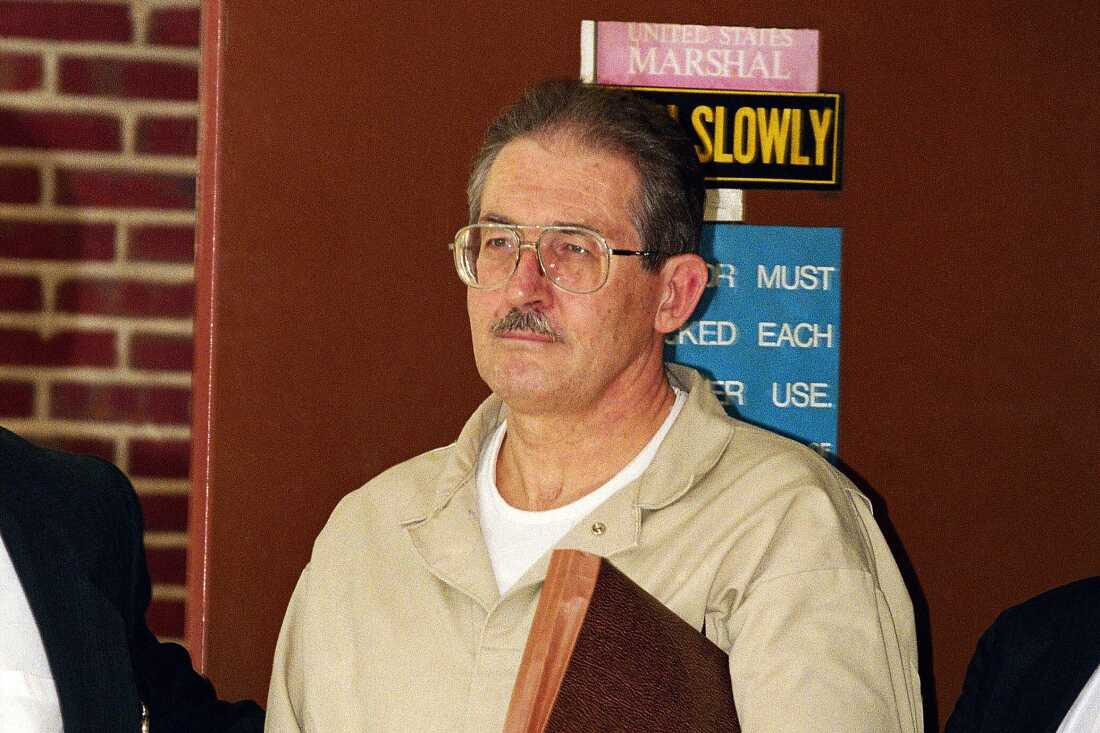
Photo Credit; Getty Images
Decades after his 1994 conviction for espionage, former CIA officer Aldrich Ames has died at age 84 while serving a life sentence in Maryland. Ames, who admitted to selling secrets to both the Soviet Union and Russia, passed away Monday at the Federal Correctional Institution in Cumberland. His case remains a landmark in U.S. intelligence history, representing a massive failure of counterintelligence that resulted in his permanent removal from society more than 30 years ago.
He compromised more than 100 clandestine operations and divulged the identities of more than 30 agents spying for the West - leading to the deaths of at least 10 CIA intelligence assets.
Seeking money to pay debts, Ames said he began providing the KGB with the names of CIA spies in April 1985, receiving an initial payment of $50,000.
Known to the KGB by his code name, Kolokol (The Bell), Ames went on to identify virtually all of the CIA's spies in the Soviet Union, for which he was well rewarded.
"To my enduring surprise, the KGB replied that it had set aside for me $2 million in gratitude for the information," he said in an eight-page statement he read to the court.
Over the course of nine years, Ames admitted receiving a total of about $2.5 million from the Soviet Union for his betrayal of the US.
The cash fuelled a lavish lifestyle, with Ames splashing out on a new Jaguar car, foreign holidays and a $540,000 house - despite never having a salary of more than $70,000 a year.
"It was about the money, and I don't think he ever really tried to lead anybody to believe it was anything more than that," FBI agent Leslie G Wiser, who was involved in the investigation that led to Ames's arrest, said in 2015.
His treachery began in 1985 when he gave the Soviets the names of a few KGB officers secretly working for the FBI in exchange for $50,000. His espionage continued for the following nine years, until his arrest on 21 February 1994, after a mole hunt that had started closing in the year before.
Ames cooperated with the authorities in exchange for a plea deal that secured a lenient sentence for Rosario, who admitted she had known about the money and his meetings with the Soviets. She was released after five years.
The CIA director at the time, R. James Woolsey, described Ames as "a malignant betrayer of his country".