

Photo Credit: Getty Images
South Korea’s president has warned that a sweeping U.S. immigration raid in Georgia targeting hundreds of South Korean workers could deal a serious blow to future investment from his country, casting a shadow over one of Washington’s closest economic partnerships.
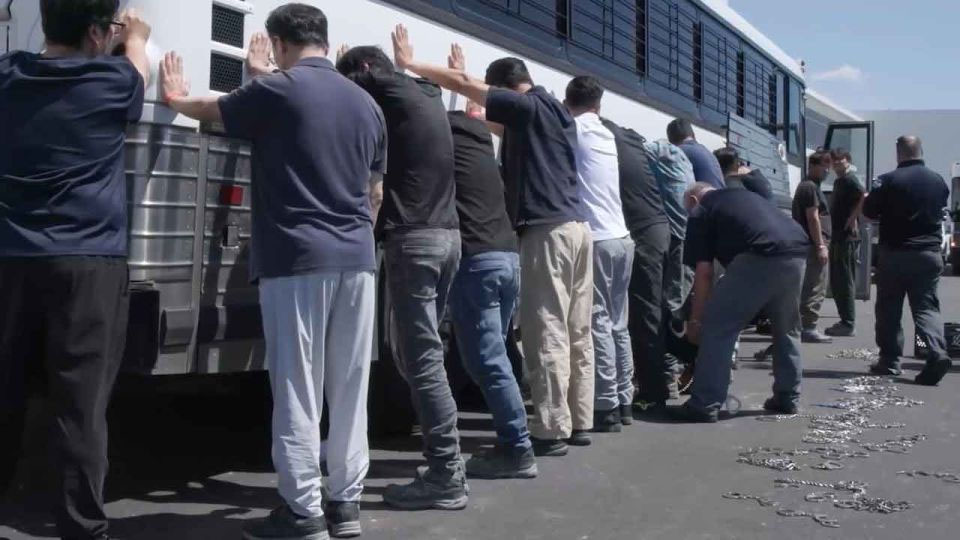
The comments came after U.S. Immigration and Customs Enforcement (ICE) detained more than 300 South Korean employees during an operation at Hyundai Motor Group’s electric vehicle plant in Ellabell, Georgia, on September 4, 2025. The raid, one of the largest of its kind in recent years, has sparked outrage in Seoul and raised fears of long-term damage to the two nations’ decades-old alliance.
Speaking at a press conference marking his first 100 days in office, President Lee Jae Myung described the fallout as “very confusing” for South Korean businesses operating in the United States. He stressed that companies investing billions in U.S. facilities require skilled technicians, and the current uncertainty over visas is forcing them to reconsider their commitments.
“This issue could have a considerable impact on foreign direct investment in the U.S.,” Lee said. “We are urging the U.S. side to normalize the visa process related to investment, whether by securing sufficient visa quotas or by creating a new category of visa.”
The workers detained in Georgia are scheduled to return to Seoul on Friday, flying out of Atlanta Thursday evening. Images released by ICE showing employees shackled with chains and escorted onto buses have fueled widespread dismay in South Korea, with many describing the treatment as humiliating and a betrayal of a bilateral friendship forged since the Korean War.
The Ellabell plant, located about 25 miles west of Savannah, is a joint venture between Hyundai and LG Energy Solution, both of which have poured billions into building U.S. electric vehicle and battery infrastructure. The raid has therefore raised alarms not just in Seoul but also in U.S. political circles, where lawmakers worry about its chilling effect on foreign investment.
South Korea’s foreign ministry said President Donald Trump temporarily paused the deportation process to hear Seoul’s position on whether the workers might be allowed to continue in the U.S. However, Seoul ultimately pushed for a swift and safe repatriation, stressing that its nationals should return home first before any discussion of reentry for work.
Foreign Minister Cho Hyun conveyed this stance directly to U.S. Secretary of State Marco Rubio, according to the ministry, adding that Trump instructed immigration authorities to transport the workers “without handcuffs or other physical restraints” despite standard U.S. procedures.
Outrage in South Korea has spanned across the political spectrum. Choi Jong Kun, the country’s former First Vice Foreign Minister, described the images as “a slap in the face moment.” Critics argue that while some of the 475 detained workers may have entered illegally or overstayed visas, many were operating under existing visa arrangements and had long filled essential roles in major U.S. industrial projects.
Legal experts in Seoul point to a chronic shortage of U.S. business visas for South Koreans. Some U.S. lawmakers have proposed solutions, including the “Partner with Korea Act,” introduced in the House in July, which would create new visa categories for South Korean workers. The bill, however, has yet to gain momentum.
For now, Seoul and Washington face the delicate task of managing a crisis that touches not only immigration policy but also billions of dollars in trade, investment, and industrial cooperation at a pivotal moment in the global race for electric vehicle dominance.