

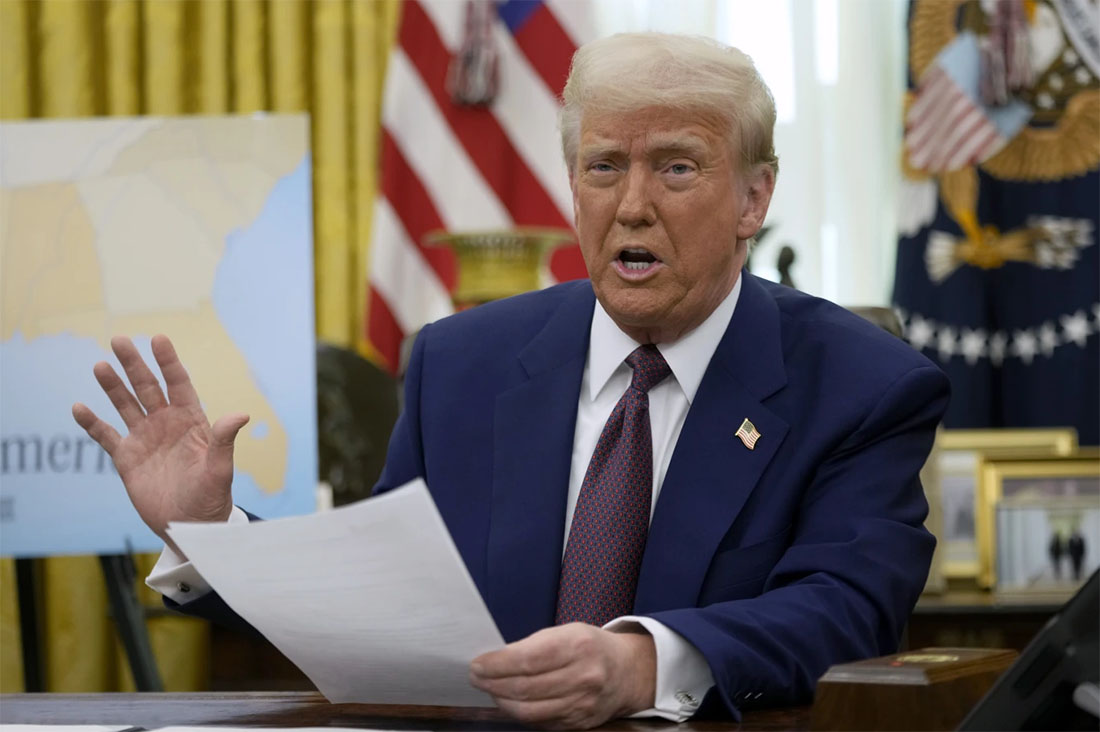
Photo Credit: Getty Images
President Donald Trump has ignited controversy after announcing the immediate removal of Federal Reserve governor Lisa Cook, marking a dramatic escalation in his ongoing clash with the central bank. Posting a letter on his Truth Social platform, Trump accused Cook of making false statements in mortgage agreements and asserted that his constitutional powers granted him the authority to dismiss her.
Cook, who made history as the first African American woman to serve on the Federal Reserve's board of governors, has not publicly responded. Nor has the Federal Reserve itself, which is traditionally independent from direct presidential influence. Legal experts suggest the move is unprecedented in the Fed's 111-year history and could spark a protracted legal battle over presidential powers.
In the letter, Trump alleged that Cook had signed two separate documents declaring different primary residences in Michigan and Georgia within weeks of each other. He described the discrepancy as grounds for dismissal, stating, "It is inconceivable that you were not aware of your first commitment when making the second."
The allegations first surfaced in a letter from housing finance regulator Bill Pulte, a Trump ally, who called for an investigation. Cook has denied wrongdoing, attributing the matter to a mortgage loan application made years before she joined the central bank. "I have no intention of being bullied to step down from my position," she said last week, promising to cooperate with legitimate inquiries.
Trump's decision comes amid growing tensions with the Federal Reserve over interest rates. He has repeatedly attacked Chair Jerome Powell for refusing to adopt rapid rate cuts and has floated the idea of removing him as well. Critics argue that such pressure undermines the Fed's independence, which was secured in 1951 to insulate monetary policy from political interference.
The dismissal of Cook not only intensifies Trump's feud with the Fed but also raises significant constitutional questions. Legal scholars say the White House will likely have to demonstrate in court that it had sufficient grounds for removal. Should Cook contest the decision, it could trigger a rare standoff between the executive branch and the central bank.
As markets and policymakers await clarity, the dismissal underscores the volatility surrounding U.S. monetary policy under Trump. Beyond the immediate legal implications, the action signals an administration willing to test institutional boundaries, potentially reshaping the balance between politics and the financial system.