

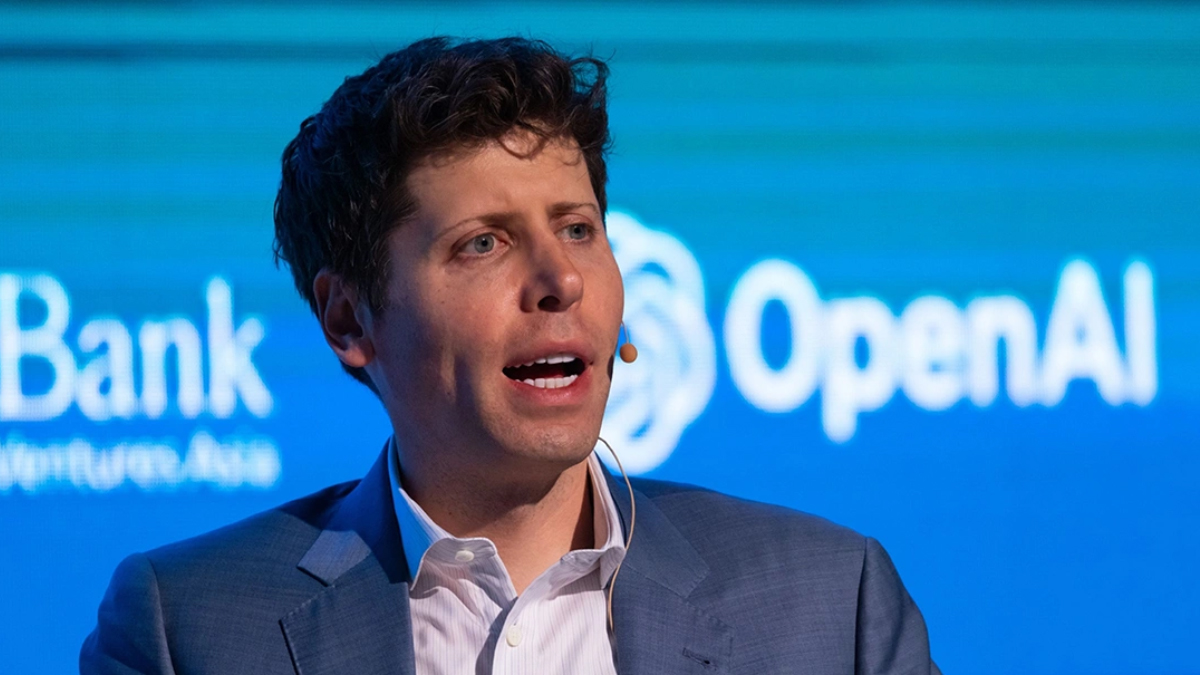
Photo Credt: Getty Images
OpenAI CEO Sam Altman recently issued a serious warning to people who often share deeply personal information with ChatGPT, citing that many users treat it like a therapist or life coach without realizing those conversations carry no legal confidentiality and could be used as evidence in court.
Altman spoke on the podcast This Past Weekend with Theo Von, noting, “People talk about the most personal sh** in their lives to ChatGPT. People use it — young people, especially, use it as a therapist, a life coach; having these relationship problems and [asking] ‘what should I do?’” He contrasted that with ordinary professional protections, clarifying, “Right now, if you talk to a therapist or a lawyer or a doctor about those problems, there’s legal privilege for it. There’s doctor‑patient confidentiality, there’s legal confidentiality, whatever. And we haven’t figured that out yet for when you talk to ChatGPT.”
Altman emphasized the risk, saying, “So if you go talk to ChatGPT about your most sensitive stuff and then there’s like a lawsuit or whatever, we could be required to produce that and I think that’s very screwed up.” He went on to say, “I think we should have the same concept of privacy for your conversations with AI that we do with a therapist or whatever and no one had to think about that even a year ago. And he framed the issue as urgent, “How are we gonna treat the laws around this?”
These candid remarks come amid OpenAI’s ongoing legal battle with The New York Times. Plaintiffs have requested a court order compelling OpenAI to retain all ChatGPT conversations, including those users deleted (a demand the company is appealing as a privacy overreach).
Altman strongly opposes it, arguing such precedent would undermine user trust and privacy expectations. He has also proposed the concept of “AI privilege”, suggesting conversations with AI deserve the same legal protection as those with doctors or lawyers. “IMO talking to an AI should be like talking to a lawyer or a doctor,” he wrote, adding, “I hope society will figure this out soon.”
Under current policies, OpenAI deletes user chats within 30 days unless retention is legally required but users may not be aware that messages sent in confidence could still be produced during litigation. Users sharing sensitive details with AI are exposing themselves unknowingly to legal risk.