

Photo Credit: Getty Images
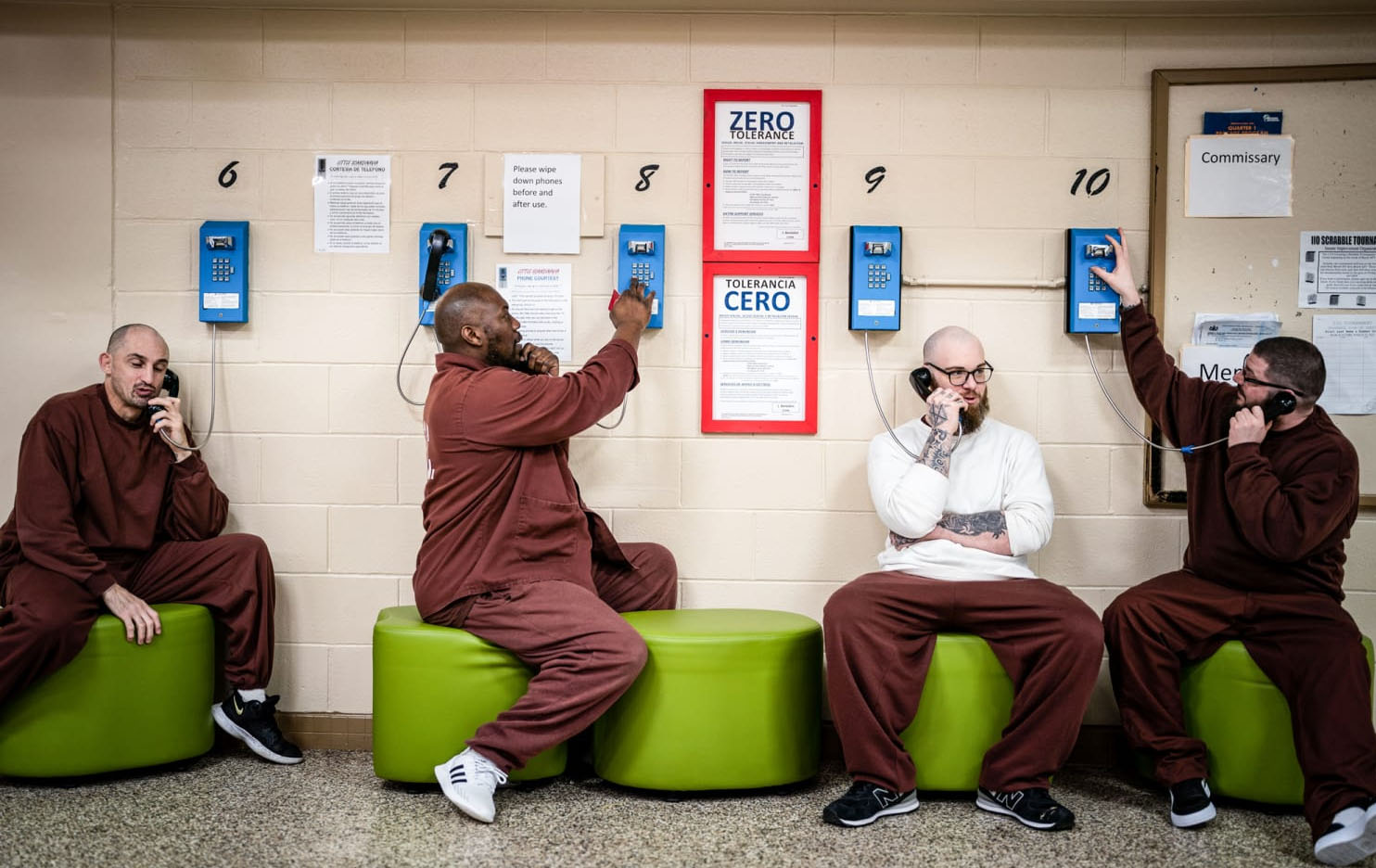
New York will begin offering free phone calls to incarcerated individuals across its state prison system starting August 1, the Department of Corrections and Community Supervision (DOCCS) announced this week. As first reported by the Associated Press, the move is expected to save thousands of families over $13 million annually.
Currently, inmates receive three 15-minute calls per week at no cost. Any additional calls are charged at 2.4 cents per minute. Under a new contract with prison telecom vendor Securus Technologies, the state has negotiated a reduced rate of 1.5 cents per minute, lower than both California's 1.6 cents and the FCC's latest cap. However, under the new policy, those charges will be covered entirely by DOCCS' operating budget.
With this change, New York becomes the sixth state following Connecticut, California, Colorado, Massachusetts, and Minnesota to offer free prison phone calls. Unlike those states, however, New York is the first to enact the policy without requiring legislative approval.
DOCCS Commissioner Daniel F. Martuscello III stated, "We recognize the critical role that strong family bonds play in an individual's rehabilitation and long-term success after incarceration. By eliminating the financial burden associated with phone calls, we not only are removing a barrier to communication, but are actively promoting stronger connections between those in our care and their loved ones."
He added, "Understanding the value of family ties while in prison is crucial, not only for emotional support, but for improving an individual's outcomes while incarcerated and when returning to society, thus reducing recidivism."
The decision follows years of pressure from advocacy groups, including Worth Rises, a nonprofit committed to ending the financial exploitation of incarcerated individuals and their families. The organization has long argued that the cost of prison phone calls forces many families to choose between meeting basic needs and staying in touch with loved ones behind bars. They view the new policy as a significant step forward, believing it will support rehabilitation, ease the financial burden on families, reduce emotional stress on children affected by incarceration, enhance safety for correctional staff, and improve post-release outcomes for inmates.