

Photo Credit: Getty Images
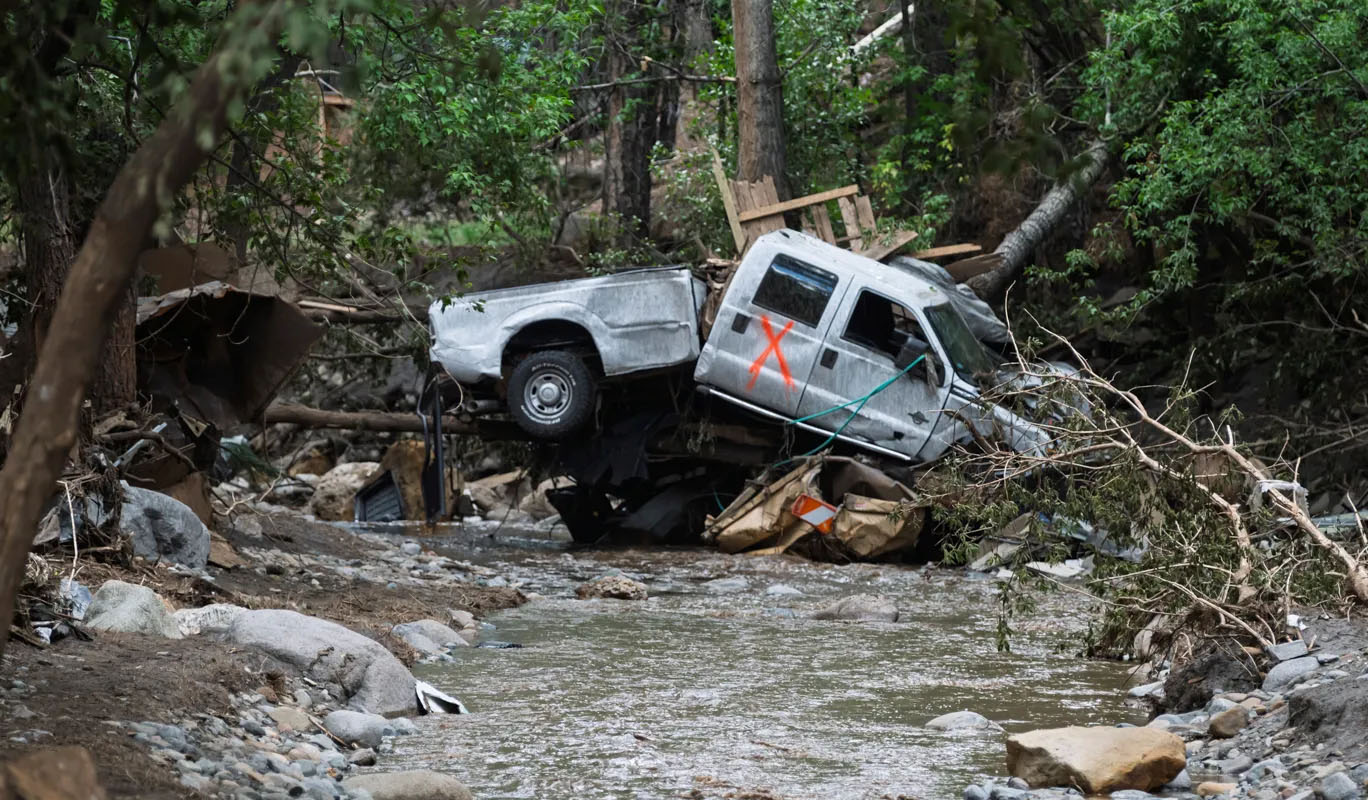
The village of Ruidoso, New Mexico, is reeling once more, this time from deadly floods that swept through the region on Tuesday. Three people, including two children, lost their lives as heavy rainfall caused the river to surge past record levels, flooding swathes of the village. The disaster struck a community already worn down by past tragedy, coming just a year after wildfires devastated the same area.
According to local resident Eddie Gutierrez, the events were both surreal and heartbreaking. Speaking from his brewery, Gutierrez recounted watching a neighboring house get carried away by the floodwaters. Remarkably, he noted, the next day felt almost normal, with sunshine returning and businesses reopening. "It's almost as if it didn't happen," he said.
But the signs of destruction were unmistakable. The homes lost in the floods were among those already abandoned after the 2024 South Fork and Salt fires destroyed hundreds of residences and burned over 25,000 acres. This dual trauma—fire followed by flood—was not unexpected, as experts had long warned of the dangers posed by "burn scars," or fire-damaged land that no longer absorbs rainwater effectively.
The National Weather Service confirmed that the charred soil around Ruidoso has become almost impermeable, acting more like pavement than earth. This water-repellent condition greatly increases the flood risk, a fact that had emergency planners on high alert.
Despite the preparedness, the speed and intensity of the rainfall—3.5 inches in a short window—proved overwhelming. By the time the river crested above 20 feet, it was too late for some areas. Still, local officials credit community awareness and recent experience with helping to reduce the potential loss of life.
Experts like Upmanu Lall, director of the Water Institute at Arizona State University, stress that human behavior adapts to recent experiences. In communities like Ruidoso, where disasters are remembered vividly, the response is often more swift and effective.
However, the long-term challenges remain daunting. The burn scars will persist for years, and with climate change intensifying weather patterns, the likelihood of repeated flooding grows. Local officials now face the difficult task of rebuilding not just structures, but public confidence.
While the sun may shine the day after disaster, the emotional and environmental scars run deeper. Ruidoso's resilience is evident, but so too is its vulnerability, caught in a cycle of destruction from which recovery feels increasingly elusive.