

Photo Credit; Getty Images
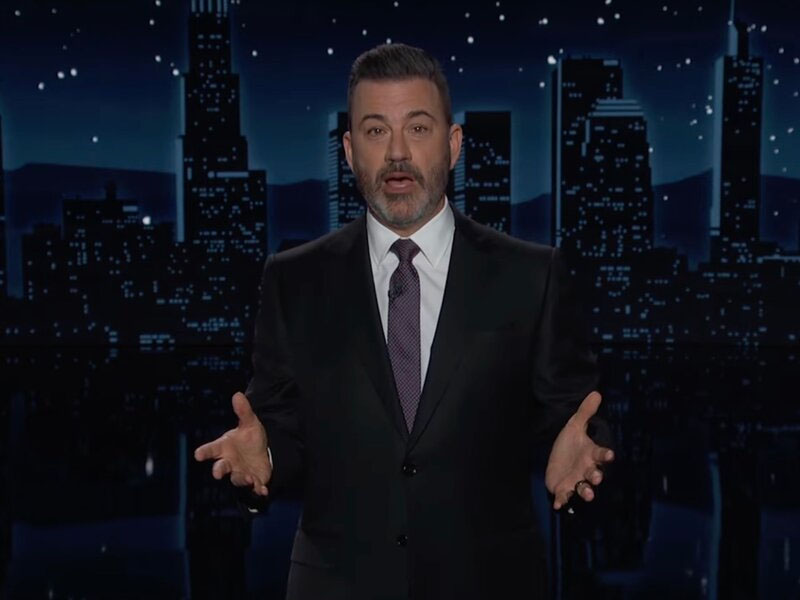
Late-night host Jimmy Kimmel is facing intensifying backlash after repeating a controversial joke about first lady Melania Trump, even as tensions remain high following the White House Correspondents' Dinner shooting scare.
Speaking on his Monday broadcast of "Jimmy Kimmel Live!," the comedian revisited a line from a mock roast delivered days before the annual event, describing Melania as having "a glow like an expectant widow." The remark, widely criticized as ill-timed and offensive, drew renewed scrutiny after a gunman allegedly attempted to attack attendees at the Washington Hilton over the weekend.
Kimmel framed the original monologue as satire, explaining it was meant to replicate the traditional comedic tone of the Correspondents' Dinner, which did not feature its usual headlining entertainer this year. "This was like déjà vu for me," he told viewers, pushing back against calls for his dismissal and dismissing the uproar as disproportionate.
The response from the Trump camp has been swift and forceful. President Donald Trump publicly urged ABC and its parent company, Disney, to terminate Kimmel, branding the joke a "despicable call to violence." Melania Trump, in a sharply worded statement, went further, accusing the host of spreading "hateful and corrosive rhetoric" and questioning why networks continue to platform such commentary.
The controversy has unfolded against the backdrop of a security incident that rattled Washington. Authorities say a suspect, identified as Cole Allen, attempted to breach the Correspondents' Dinner venue with the alleged intent of targeting members of the administration. While no fatalities were reported, the episode has heightened sensitivity around political rhetoric and public discourse.
Kimmel, however, has shown little willingness to retreat. He reiterated that the joke was rooted in observational humor, pointing to the couple's age gap and public demeanor rather than any violent implication. "There was no big reaction until this morning," he said, attributing the backlash to online outrage cycles.
As criticism mounts, the situation is shaping into a broader debate over comedy, accountability and the limits of satire in an increasingly volatile political climate.