

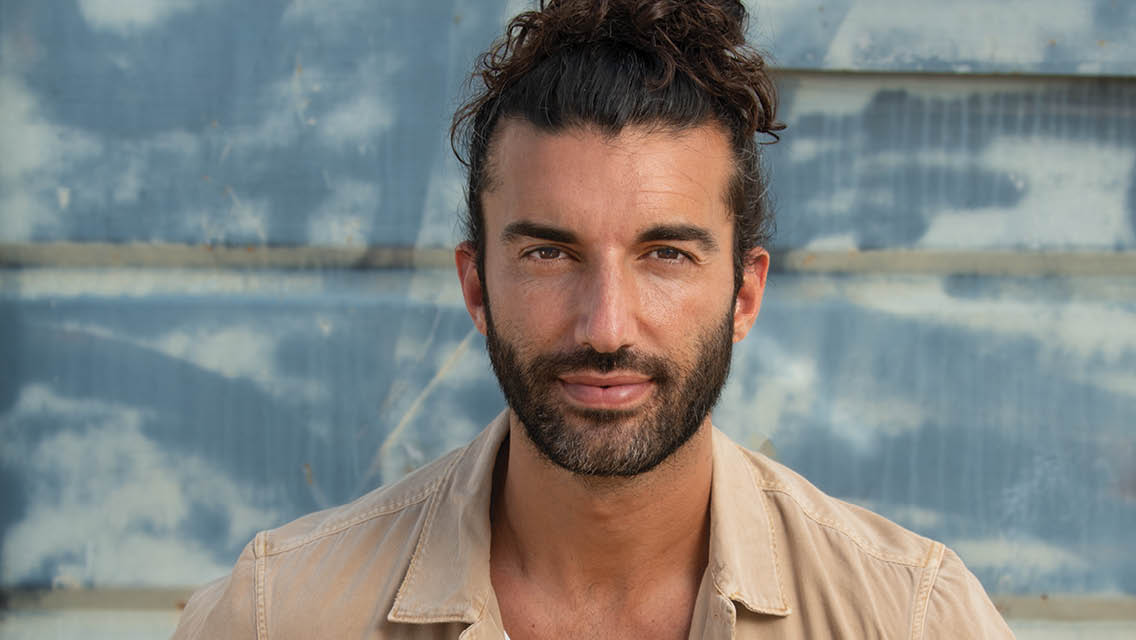
Photo Credit: Getty Images
In a recent legal development, Justin Baldoni, known for his role in "Jane the Virgin," has secured the right to review private text messages exchanged between Taylor Swift and Blake Lively regarding the 2024 film "It Ends With Us." US District Judge Lewis Liman's ruling, disclosed through Page Six documents, permits Baldoni's legal team to access these communications. The decision underscores the ongoing legal dispute between Baldoni and Lively, centered on allegations of harassment and retaliation linked to the movie adaptation of Colleen Hoover's novel.
Judge Liman emphasized the relevance of these texts to substantiate Lively's claims of mistreatment and retaliation on set. The ruling follows Lively's attempt to shield her conversations with Swift, arguing their peripheral relevance to the case. However, the judge deemed these messages crucial for uncovering pertinent details related to the film's production environment and the dynamics between the involved parties.
The legal saga intensified earlier this year when Baldoni included Swift in a $400 million countersuit against Lively, alleging defamation and orchestrating a smear campaign. Although this counterclaim has since been dismissed, the inclusion of Swift's texts remains pivotal in understanding the complexities of the legal battle.
Swift and Lively's legal teams have not issued immediate comments on the ruling. The proceedings have highlighted the high-profile nature of the case, drawing attention to the intersection of celebrity, legal ethics, and workplace dynamics in the entertainment industry.
For Justin Baldoni, gaining access to these texts represents a potential turning point in his defense against Lively's accusations of creating a hostile work environment during the filming of "It Ends With Us." The texts are expected to shed light on the interactions and communications pivotal to the case's narrative, potentially influencing its outcome.
As the legal drama unfolds, it underscores broader issues within the film industry, including workplace ethics and the use of celebrity influence. The outcome of this case could set precedents regarding privacy rights, legal discovery processes, and the responsibilities of high-profile figures in managing workplace dynamics.
While the legal battle between Justin Baldoni and Blake Lively continues to evolve, the recent ruling allowing access to Taylor Swift's and Blake Lively's texts marks a significant development. It reflects ongoing efforts to uncover truth and accountability within the complexities of Hollywood's legal landscape. The repercussions of these disclosures extend beyond individual reputations, shaping industry standards and public perceptions of workplace conduct in the entertainment sector.