

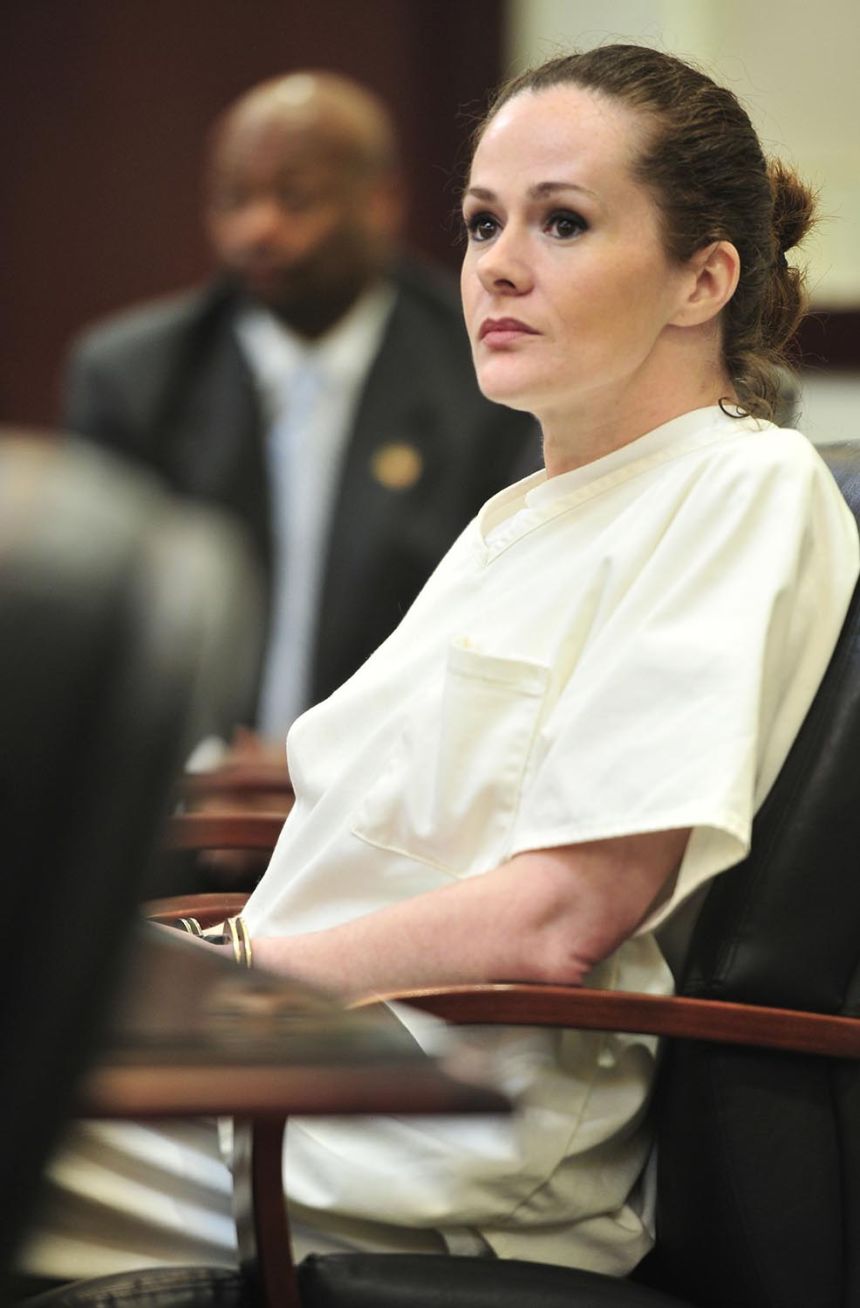
The motion accuses the Tennessee Department of Corrections (TDOC) of interfering with Pike's legal representation by requiring attorneys to accompany mental health experts during their visits with her in prison.
According to court documents obtained by PEOPLE, prison officials informed Pike's legal team that the two clinical psychologists hired to assess her condition would no longer be permitted to meet with her privately unless an attorney of record was present.
Pike had initially been allowed to meet with one of the psychologists during the first month after returning to prison following her recovery from two failed attempts to execute her through lethal injection on September 30.
However, on November 9, TDOC officials sent an email notifying her lawyers that an attorney would be required to attend all subsequent meetings. A similar restriction was communicated a week later when her legal team arranged for another psychologist to visit her.
Pike's attorneys argue that the experts are members of her legal team and should therefore enjoy the same access granted to lawyers representing inmates.
They cited TDOC policies that provide attorneys with broad access to prisoners for legal services, including interviews and consultations. The policy also defines an attorney to include individuals working under the direction of legal counsel.
According to the motion, there is no provision requiring lawyers to be physically present whenever professionals retained by their legal team meet with a client.
The lawyers also objected to prison officials requesting information about the meetings, arguing that discussions between Pike and the experts are protected by attorney-client privilege.
They are asking the court to order the department to allow private meetings, prevent officials from accessing or retaining the experts' notes and work materials, and ensure future specialists hired by her legal team can obtain access without unnecessary restrictions.
Pike's attorney, Luke Ihnen of Federal Defender Services of Eastern Tennessee, said his client had endured significant suffering, including childhood abuse and neglect, and should not have to struggle to access professionals assessing the harm caused by the failed execution attempts.
Pike's legal team is scheduled to return to court on December 1 over a separate dispute concerning her continued isolation in prison.
Her lawyers maintain that the conditions violate a 2024 settlement agreement intended to end her 28 years in solitary confinement. However, prison officials argue that her separation from other inmates is necessary because of her medical needs and maximum-security classification.