Photo Credit: Getty Images
 
Edge Computing
 
Edge computing is another sustainable technology shaping the future of AI. Instead of relying on centralized data centers, edge computing distributes computing power closer to the source of data generation, reducing the need for long-distance data transmission and lowering energy consumption. This approach is particularly beneficial for AI applications that require real-time processing, such as autonomous vehicles and smart infrastructure. By leveraging edge computing, AI systems can deliver faster response times while minimizing their environmental impact.
 
Data Efficiency and Privacy
 
Efforts to improve AI functionality also include optimizing data usage and enhancing privacy protections. Data-efficient learning algorithms, such as federated learning and differential privacy, enable AI models to learn from decentralized data sources without compromising individual privacy. By reducing the amount of data required for training, these techniques not only improve the efficiency of AI systems but also reduce the environmental impact associated with data storage and transmission.
 
Collaborative Research and Innovation
 
Addressing the intersection of AI and sustainability requires collaboration among researchers, industry leaders, policymakers, and environmental organizations. Initiatives such as the Green AI Consortium and the Partnership on AI are fostering interdisciplinary collaboration to develop sustainable AI solutions and promote responsible AI development. By sharing best practices, research findings, and resources, these collaborations accelerate the adoption of sustainable technologies and drive innovation in the field of AI.
 
Composed by: Hedwig Francis mwendwa 

 

Photo Credit: File Photo

Twitch, the live streaming giant, is set to revolutionize content discovery on its platform by introducing a TikTok-style feed. This innovative feature, which has been in testing for nearly a year, will allow users to scroll through a personalized mix of clips and live streams, enhancing the user experience and streamlining content discovery.


Photo Credit: Shutterstocj

In the digital age, connectivity is king, and the advent of 5G technology represents a significant leap forward in our ability to stay connected, access information, and interact with the world around us. As the fifth generation of wireless technology, 5G promises to deliver faster speeds, lower latency, and greater capacity than ever before, revolutionizing industries and enabling new applications that were once considered science fiction.

Photo Credit: Getty Images

In a world where technology continues to evolve at an astonishing pace, one concept stands out among the rest: artificial intelligence (AI).Which is advancing and at the same time changing humanity. With its potential to transform industries, reshape societies, and enhance our daily lives, the future of AI holds a lot of promises, and as technology advances,AI services are improving and keep changing from time to time, holding various promises to humanity. 


Photo Credit: Getty Images

Artificial intelligence is such a fascinating field. From Chabots to self-driving cars and medical diagnostics, AI is transforming numerous industries and aspects of our lives. There are several significant milestones of AI over the years. The few noteworthy milestones include;

1956: Dartmouth Conference considered the birth of AI as a field. This conference brought together early pioneers to discuss the potential of creating machines that could simulate human intelligence.

The integration of artificial intelligence (AI) and automation has sparked a significant revolution in manufacturing across China. This transformation has reshaped traditional production processes, bringing about a wave of innovation and efficiency that has reverberated throughout the industry. As a result, China has emerged as a global leader in advanced manufacturing technologies, harnessing the power of AI and automation to drive productivity to new heights.

Photo Credit: Kia
 
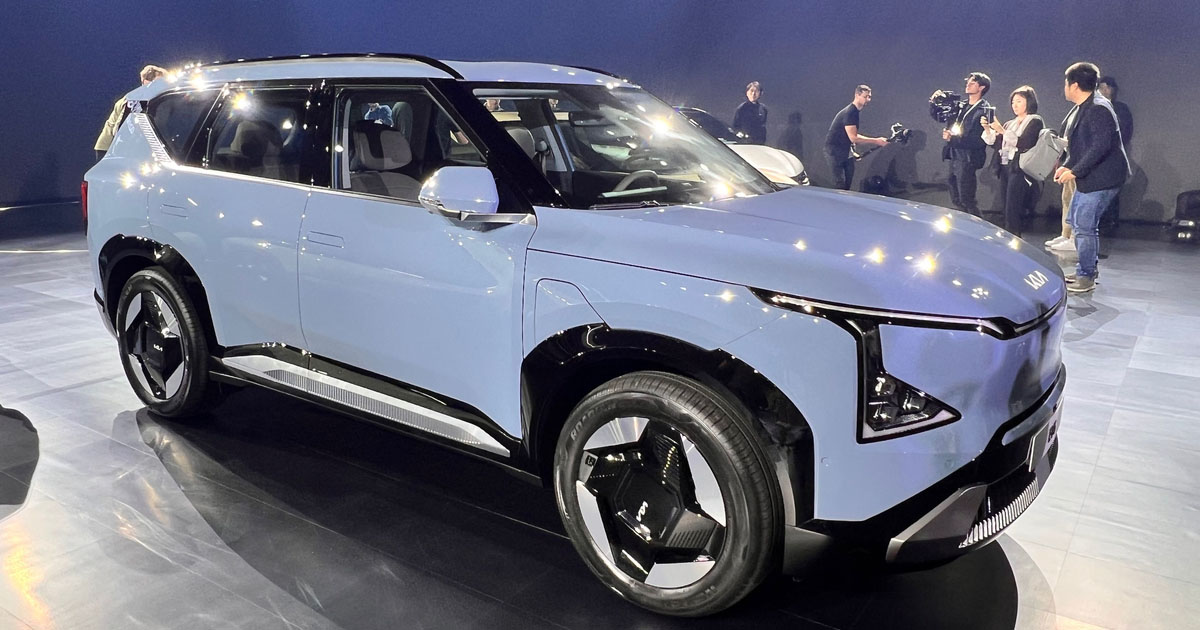
The average price of electric vehicles has been a barrier for many potential buyers. As of 2024, the average transaction price for a new electric car was $55,353, significantly higher than the overall new car market average. However, the trend is shifting towards more affordable options, with prices expected to decrease as technology advances and production scales up.


Photo Credit: Getty

Meta's Oversight Board is currently scrutinizing the company's response to the troubling rise of deepfake pornography on its platforms, Facebook and Instagram. This review comes in the wake of two explicit, AI-generated images of female public figures,  that have raised significant concerns about the efficacy of Meta's content moderation policies.

RECENT NEWS

LATEST JOB OFFERS

AROUND THE CITIES